Morocco is a well-established mining country in North Africa, known primarily for its phosphate industry but also possessing notable gold and mineral resources. While it is not among the largest gold producers on the continent, Morocco plays a growing role as a stable, regulated, and strategically located participant in the gold market.
Its proximity to Europe and integration into international trade systems make it an attractive option for buyers seeking geographic diversification and access to North African markets. Morocco’s mining sector is supported by government oversight, modern infrastructure, and increasing exploration activities.
Overview of Gold Production in Morocco
Gold production in Morocco is relatively modest but structured, with ongoing exploration and development.
Key characteristics include:
- Industrial mining operations supported by international investment
- Exploration projects aimed at expanding gold output
- Gold deposits located in regions such as the Anti-Atlas Mountains
- Steady but limited contribution to global gold supply
Morocco’s production is not large-scale but is supported by a regulated framework.
Why Buyers Consider Morocco for Gold Transactions
Morocco offers several advantages that make it appealing to international buyers.
Key reasons include:
- Stable political and economic environment
- Strong regulatory oversight compared to many African markets
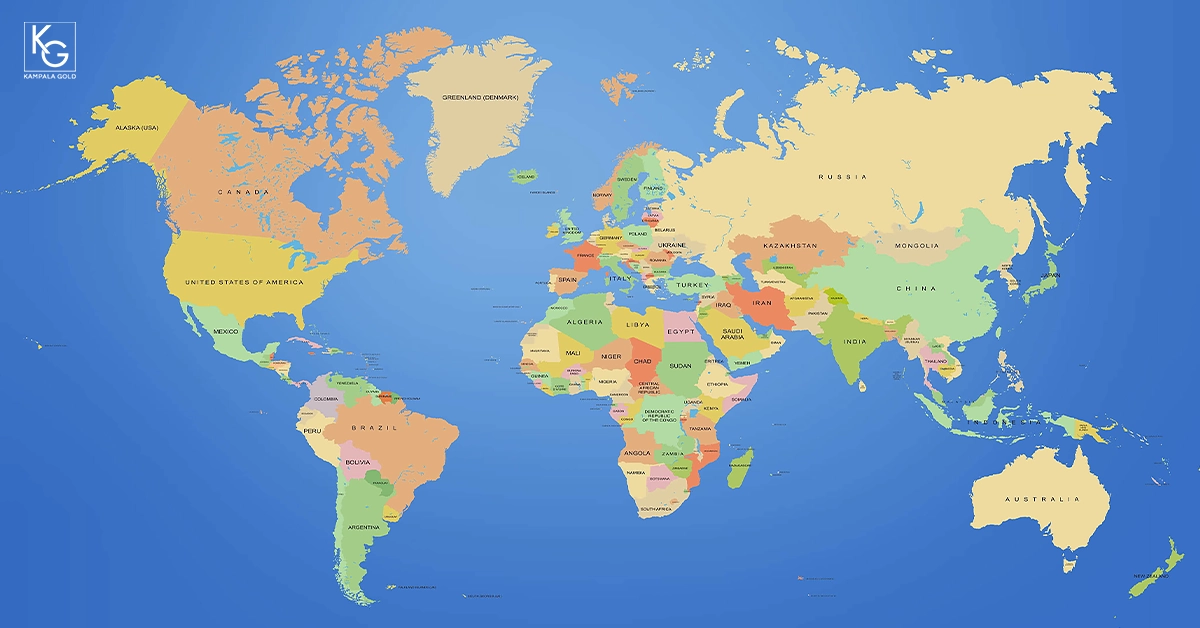
- Strategic location connecting Africa and Europe
- Growing mining sector with future potential
These factors make Morocco suitable for buyers seeking low-to-moderate risk sourcing within Africa.
Types of Gold Available in Morocco
Gold in Morocco is available in forms reflecting its structured mining sector.
Common forms include:
- Gold dore bars from mining operations
- Semi-refined gold requiring further processing
- Refined gold processed through international refineries
Dore gold is the most common export form.
The Refining and Export Process
Morocco has limited large-scale refining capacity, so gold is often processed abroad.
The process typically includes:
- Extraction from mining sites
- Initial processing into dore bars
- Export to refining hubs such as Switzerland or Europe
- Final purification and certification
- Distribution into global markets
This ensures compliance with international standards.
Legal and Regulatory Framework
Morocco maintains a relatively strong legal framework governing mining and gold trade.
Key aspects include:
- Licensing requirements for mining and export
- Documentation verifying the legal origin of gold
- Environmental and operational regulations
- Alignment with international trade standards
This framework enhances transparency and buyer confidence.
Logistics and Export Infrastructure
Morocco benefits from well-developed infrastructure supporting gold trade.
Key advantages include:
- Access to major ports and shipping routes
- Strong transport networks connecting mining regions
- Proximity to European markets
- Integration into global trade systems
These strengths support efficient export processes.
Risk Considerations and Due Diligence
Morocco is considered a lower-risk African market, but buyers should still conduct due diligence.
Key considerations include:
- Limited production volume affecting availability
- Need for verification of suppliers and documentation
- Refining requirements for dore gold
- Market price fluctuations
These risks are manageable with proper planning.
The Role of Trusted Suppliers in Moroccan Gold Transactions
Trusted suppliers are essential for ensuring compliance and efficiency when sourcing gold from Morocco.
Kampala Gold (U) Limited has established itself as a reputable supplier in the global gold trade, helping clients access reliable gold sources across Africa, including Morocco. Their expertise supports secure transactions, proper documentation, and efficient logistics.
Pricing Dynamics and Market Opportunities
Gold pricing in Morocco is influenced by global benchmarks and regional factors.
Key influences include:
- International gold prices
- Production costs and scale
- Logistics and refining expenses
- Market demand and supply
Prices are generally competitive but reflect the cost of regulated operations.
Strategic Role of Morocco in a Global Gold Portfolio
Morocco serves as a stable and strategic component within a diversified global gold strategy.
Strategic benefits include:
- Access to a regulated African gold market
- Geographic diversification between Africa and Europe
- Reduced risk compared to less structured markets
- Integration into international trade systems
This makes Morocco particularly valuable for buyers seeking balance and stability.
Frequently Asked Questions About Buying Gold from Morocco
- Is Morocco a major gold-producing country?
No, Morocco is a moderate producer with a developing gold sector. - What type of gold is available in Morocco?
Gold dore and semi-refined gold are common, often requiring further processing. - Is it safe to buy gold from Morocco?
Yes, Morocco is considered one of the more stable and regulated markets in Africa. - Do buyers need to refine gold from Morocco?
Yes, most dore gold requires additional refining to meet international standards. - Can international buyers purchase gold from Morocco?
Yes, provided they comply with legal and regulatory requirements. - Why is Morocco attractive for gold buyers?
Due to its stability, regulatory framework, and strategic location. - Are gold prices competitive in Morocco?
Prices are aligned with global benchmarks but may include refining and logistics costs. - What documentation is required?
Documentation includes proof of origin, licensing, and compliance with regulations. - What are the main risks?
Risks include limited supply and the need for further refining. - How does Morocco compare to Ghana?
Ghana is a major producer, while Morocco is smaller but more regulated in certain aspects. - What role do suppliers play in Moroccan gold transactions?
Suppliers ensure compliance, manage logistics, and provide access to reliable sources. Reputable companies such as Kampala Gold (U) Limited help buyers navigate the process effectively. - Is Morocco suitable for long-term gold sourcing?
Yes, particularly for buyers seeking stable and regulated environments. - Can gold be exported from Morocco?
Yes, with proper documentation and compliance with regulations. - Why include Morocco in a global gold strategy?
Because it offers stability, geographic advantage, and regulated sourcing.
Conclusion: Morocco as a Stable North African Gold Market
Morocco represents a reliable and strategically positioned gold market within North Africa. While its production levels are modest, its strong regulatory framework, stable environment, and proximity to Europe make it an attractive option for buyers seeking secure sourcing opportunities.
For those looking to balance risk and diversification, Morocco offers a compelling choice. By working with trusted partners such as Kampala Gold (U) Limited and adopting a structured approach, buyers can effectively integrate Moroccan gold into a broader global investment strategy.
Leave a Reply