
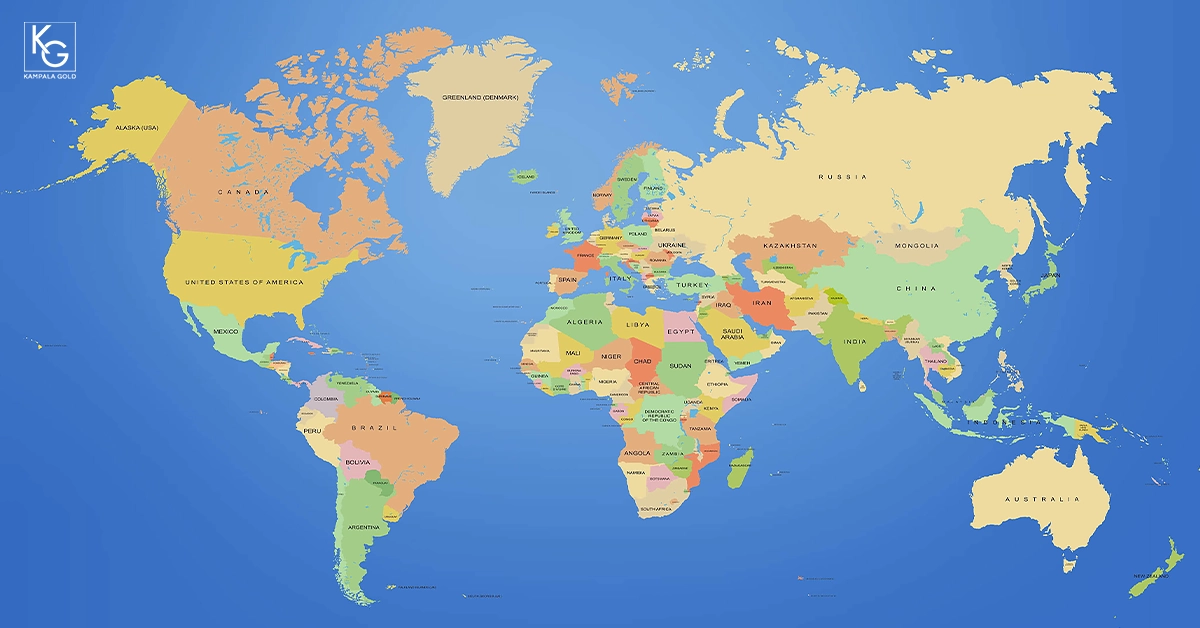
Neumayer Station III is a German research facility operated by the Alfred Wegener Institute, located in Antarctica. It serves as a hub for scientific research, including climate studies, atmospheric monitoring, and geophysical observation.
Unlike other regions discussed in global gold markets, Antarctica—and by extension Neumayer Station III—is not a commercial mining or trading environment. The continent is governed by the Antarctic Treaty System, which strictly regulates human activity to preserve the environment and promote peaceful scientific cooperation.
For this reason, buying gold from Neumayer Station III or anywhere in Antarctica is not possible under current international law.
The Legal Framework: Why Gold Cannot Be Bought from Antarctica
The most important factor defining Antarctica’s status is the Antarctic Treaty System, which establishes the continent as a protected zone dedicated to research and environmental preservation.
Key provisions relevant to gold include:
- A complete prohibition on commercial mining activities
- Strict environmental protections preventing resource exploitation
- Use of the continent exclusively for peaceful and scientific purposes
- International cooperation and oversight among participating nations
In addition, the Protocol on Environmental Protection to the Antarctic Treaty reinforces the ban on mineral resource activities, including exploration and extraction.
As a result, there is no legal gold mining, trading, or export activity in Antarctica.
The Role of Neumayer Station III
Neumayer Station III is not involved in any form of commercial activity. Its purpose is entirely scientific, focusing on:
- Climate and environmental monitoring
- Ice and atmospheric research
- Earth science and geophysical studies
The station does not engage in mining, resource extraction, or trade. It operates within strict environmental and legal guidelines to ensure minimal impact on the surrounding ecosystem.
Why Antarctica Is Not a Gold Market
Although Antarctica is believed to contain mineral resources, including gold, these resources remain untouched due to international agreements.
Key reasons include:
- Legal prohibition of mining activities
- Environmental protection of a fragile ecosystem
- Logistical challenges posed by extreme conditions
- Lack of infrastructure for commercial operations
Even if gold deposits exist, they are not accessible for commercial purposes.
Common Misconceptions About Gold in Antarctica
There are several misconceptions about gold in Antarctica that can mislead buyers.
- The presence of mineral resources does not mean they can be mined
- Research stations do not engage in commercial activities
- No legal market exists for Antarctic gold
- Any claim of selling gold from Antarctica should be treated with extreme caution
Buyers should be aware that offers involving Antarctic gold are almost certainly fraudulent or misleading.
Risk and Fraud Awareness
Because Antarctica is not a legitimate gold source, any attempt to market gold from locations such as Neumayer Station III presents serious red flags.
Potential risks include:
- Fraudulent schemes claiming access to restricted resources
- Lack of verifiable documentation or legal basis
- Misrepresentation of origin and authenticity
- Exposure to financial and legal consequences
Buyers should avoid any transaction that references Antarctica as a source of gold.
Real Alternatives for Gold Sourcing
Instead of Antarctica, buyers should focus on legitimate and regulated gold markets around the world. These include:
- Established production regions such as South Africa and Ghana
- Refining hubs such as Switzerland
- Trading centers such as the United Arab Emirates and Singapore
- Stable financial markets in Europe and Asia
Working with reputable suppliers such as Kampala Gold (U) Limited ensures access to legally sourced, high-quality gold within recognized global markets.
Frequently Asked Questions About Gold from Neumayer Station III and Antarctica
- Can gold be bought from Neumayer Station III?
No, Neumayer Station III is a scientific research station and does not engage in any form of gold mining or trade. - Is there gold in Antarctica?
There may be mineral resources, including gold, but they are not legally accessible or commercially exploitable. - Why is mining banned in Antarctica?
International agreements prohibit mining to protect the environment and preserve the continent for scientific research. - Is it legal to import gold from Antarctica?
No, there is no legal framework that allows the export or sale of gold from Antarctica. - Are there companies mining gold in Antarctica?
No, commercial mining is strictly prohibited under international law. - Can this change in the future?
While policies can evolve, current agreements strongly restrict mining activities, and any changes would require international consensus. - Why do some sources claim gold is available from Antarctica?
Such claims are often misleading or fraudulent and should be treated with caution. - What should buyers do if offered gold from Antarctica?
Buyers should avoid the transaction and verify the legitimacy of the offer, as it is likely not legal or authentic. - Are research stations involved in resource extraction?
No, research stations focus exclusively on scientific work and environmental monitoring. - What is the safest way to buy gold globally?
The safest approach is to work with reputable suppliers and source gold from regulated and recognized markets.
Conclusion: Antarctica Is Not a Gold Market
Neumayer Station III and the broader Antarctic region are not part of the global gold trade. The continent is protected by international agreements that prohibit mining and commercial exploitation of natural resources.
For buyers, this means that any attempt to source gold from Antarctica is not only impractical but also illegal and potentially fraudulent. The focus should instead be on established markets where gold is produced, refined, and traded within recognized legal frameworks.
By working with trusted partners such as Kampala Gold (U) Limited and sourcing gold from legitimate regions, buyers can ensure compliance, quality, and security in their transactions while avoiding the significant risks associated with misleading or illegal claims.
Leave a Reply