
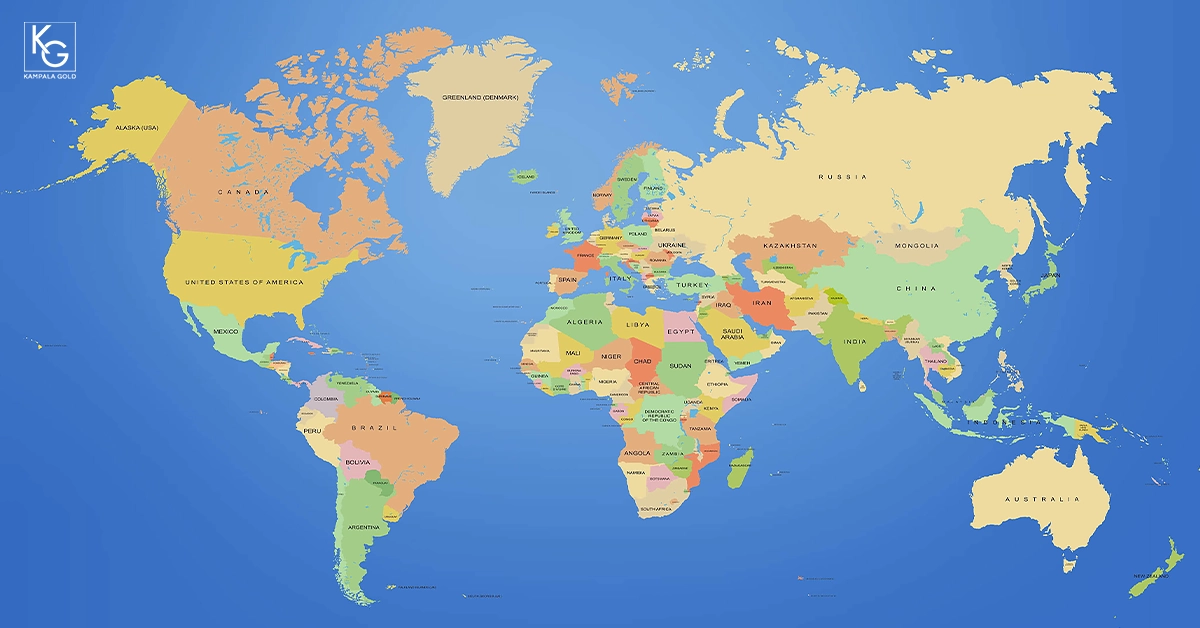
The Solomon Islands, located in the South Pacific, is an emerging player in the gold sector within Oceania. While it is not yet a major global producer like Australia, the country holds significant untapped mineral potential, including gold deposits that are attracting increasing international interest.
Its gold industry is still developing, characterized by a mix of exploration activities, small-scale mining, and growing foreign investment. For global buyers, the Solomon Islands present a frontier market opportunity, offering access to early-stage gold sourcing with long-term potential.
However, as with many emerging markets, opportunities must be balanced with careful due diligence and strategic partnerships.
Overview of Gold Production in the Solomon Islands
Gold production in the Solomon Islands is relatively limited but evolving, with ongoing exploration and development projects.
Key characteristics include:
- Emerging mining sector with expanding exploration activities
- Presence of both small-scale and developing industrial operations
- Gold deposits located in various islands with significant potential
- Increasing involvement of international mining companies
The sector is still in its growth phase, meaning supply may be limited but has strong future prospects.
Why Buyers Consider the Solomon Islands for Gold Transactions
The Solomon Islands attract buyers primarily due to their untapped potential and early-stage access to gold resources.
Key reasons include:
- Opportunities for sourcing gold at early stages of the supply chain
- Potential for competitive pricing compared to mature markets
- Long-term investment potential as the sector develops
- Geographic diversification within Oceania
These factors make the Solomon Islands particularly appealing to buyers willing to engage with emerging markets.
Types of Gold Available in the Solomon Islands
Gold available in the Solomon Islands typically reflects its early-stage mining sector.
Common forms include:
- Gold dore bars produced from mining operations
- Raw gold materials from small-scale mining
- Semi-refined gold requiring further processing
Most gold requires refining before reaching investment-grade standards.
The Refining and Export Process
The Solomon Islands has limited refining infrastructure, meaning gold is typically processed externally.
The process generally includes:
- Extraction from mining sites
- Initial processing into dore or raw form
- Export to international refining hubs such as Australia or Asia
- Final purification and certification
- Entry into global markets
Understanding this process is essential for buyers planning international transactions.
Legal and Regulatory Environment
The regulatory framework in the Solomon Islands is developing, with efforts to improve transparency and governance in the mining sector.
Key considerations include:
- Licensing requirements for mining and export activities
- Documentation verifying the legal origin of gold
- Compliance with environmental and operational standards
- Evolving regulations aimed at formalizing the sector
Buyers must ensure full compliance to mitigate risks.
Logistics and Infrastructure Considerations
As an island nation, the Solomon Islands faces logistical challenges that affect gold trade.
Key factors include:
- Limited infrastructure in mining regions
- Dependence on maritime transport for exports
- Coordination with international logistics providers
- Potential delays due to geographic and administrative factors
These challenges require careful planning and experienced handling.
Risk Considerations and Due Diligence
Buying gold from the Solomon Islands involves higher risk compared to established markets.
Key considerations include:
- Limited regulatory maturity
- Variability in supplier reliability
- Need for thorough documentation verification
- Logistics and export complexities
Mitigating these risks requires strong due diligence and reliable partnerships.
The Role of Trusted Suppliers in Solomon Islands Gold Transactions
Trusted suppliers are essential when sourcing gold from emerging markets like the Solomon Islands.
Kampala Gold (U) Limited has established itself as a reputable supplier in the global gold trade, helping clients navigate complex sourcing environments while ensuring compliance, transparency, and efficiency. Their expertise is particularly valuable in frontier markets.
Pricing Dynamics and Market Opportunities
Gold pricing in the Solomon Islands may offer opportunities due to its early-stage market structure.
Key influences include:
- Production costs and operational scale
- Logistics and transportation expenses
- Global gold price benchmarks
- Market demand and supply conditions
Buyers should consider total costs, including refining and logistics.
Strategic Role of the Solomon Islands in a Global Gold Portfolio
The Solomon Islands serve as a high-potential, emerging component in a diversified global gold strategy.
Strategic benefits include:
- Access to untapped gold resources
- Opportunities for early-stage sourcing
- Diversification across geographic regions
- Potential for long-term growth
This makes the country suitable for buyers with a higher risk tolerance and long-term outlook.
Frequently Asked Questions About Buying Gold from the Solomon Islands
- Is the Solomon Islands a major gold producer?
No, it is an emerging gold market with developing production capacity. - What type of gold is available in the Solomon Islands?
Gold dore and raw gold are the most common forms, often requiring further refining. - Is it safe to buy gold from the Solomon Islands?
It can be safe with proper due diligence and when working with reputable suppliers. - Do buyers need to refine gold from the Solomon Islands?
Yes, most gold requires additional refining to meet international standards. - Can international buyers purchase gold from the Solomon Islands?
Yes, but transactions must comply with legal and regulatory requirements. - Why is the Solomon Islands considered an emerging gold market?
Because its mining sector is still developing and expanding. - Are prices competitive in the Solomon Islands?
Prices may be competitive at the production level but must account for refining and logistics costs. - What are the main risks?
Risks include regulatory development, supplier reliability, and logistical challenges. - How does the Solomon Islands compare to Australia?
Australia is a major producer, while the Solomon Islands is a smaller, emerging market. - What role do suppliers play in transactions?
Suppliers ensure compliance, manage logistics, and provide access to reliable sources. Reputable companies such as Kampala Gold (U) Limited help buyers navigate complex environments. - Is the Solomon Islands suitable for long-term gold sourcing?
Yes, particularly for buyers seeking early-stage opportunities with long-term potential. - Can gold be exported from the Solomon Islands?
Yes, with proper documentation and compliance with regulations. - Why include the Solomon Islands in a global strategy?
Because it offers diversification and exposure to emerging gold markets.
Conclusion: Solomon Islands as an Emerging Opportunity in Oceania
The Solomon Islands represent a developing and potentially valuable segment of the global gold market. While production levels are currently modest, the country’s resource potential and growing mining sector make it an attractive option for forward-looking buyers.
However, success in this market requires careful planning, due diligence, and strong partnerships. By working with trusted suppliers such as Kampala Gold (U) Limited and integrating the Solomon Islands into a broader global strategy, buyers can access new opportunities while managing risks effectively.
Leave a Reply