
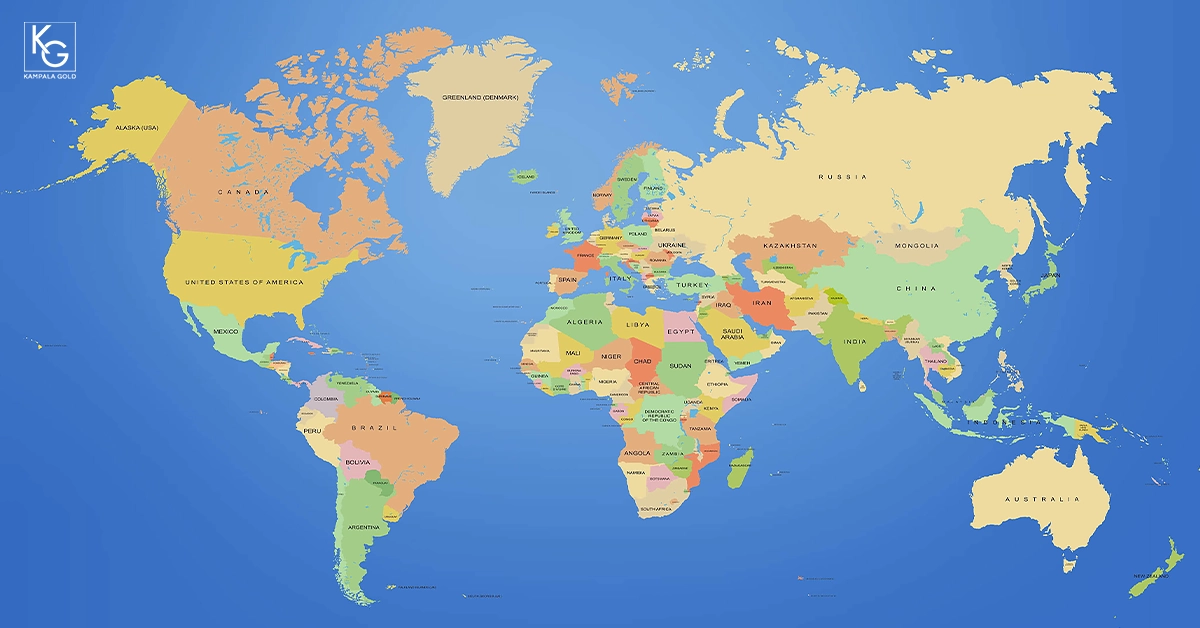
Spain is an established European economy with a long history of trade, finance, and resource development. While it is not among the largest gold producers in the world, Spain plays a meaningful role in the gold market as a consumer, trader, and gateway to European financial systems.
Its position within the European Union provides access to a highly regulated and transparent environment, making it attractive for buyers seeking security, compliance, and integration into European markets. Spain’s gold market is best understood as part of the broader European ecosystem, where trading, investment, and distribution are key functions.
Historical Context of Gold in Spain
Spain has a rich history tied to gold, dating back to ancient civilizations and colonial expansion. Historically, gold played a significant role in Spain’s economic development, particularly during periods of global exploration.
In the modern era, Spain’s role has shifted from extraction to:
- Participation in European financial markets
- Trading and distribution of gold products
- Investment and wealth preservation
- Integration into global gold supply chains
This transition reflects Spain’s position as a modern financial and commercial hub rather than a primary producer.
Overview of Gold Production in Spain
Gold production in Spain is relatively limited compared to major producers, but some mining activity does exist.
Key characteristics include:
- Small-scale industrial mining operations
- Exploration projects aimed at expanding production
- Limited contribution to global gold supply
- Greater emphasis on trade and investment rather than extraction
Spain’s strength lies more in its market infrastructure than production capacity.
Why Buyers Consider Spain for Gold Transactions
Spain offers several advantages that make it attractive to gold buyers, particularly within Europe.
Key reasons include:
- Strong regulatory framework under European Union laws
- High levels of transparency and compliance
- Access to European financial and trading systems
- Stable economic and political environment
These factors make Spain suitable for buyers seeking low-risk and well-regulated transactions.
Types of Gold Available in Spain
Gold available in Spain reflects its role as a trading and investment market.
Common forms include:
- Refined gold bullion bars meeting international standards
- Gold coins widely recognized in global markets
- Investment-grade gold products
- Gold jewelry and retail products
Most gold in Spain is imported and already refined, ensuring ease of trade.
The Role of Financial Institutions and Dealers
Financial institutions and authorized dealers play a central role in Spain’s gold market.
Their functions include:
- Facilitating gold transactions
- Providing investment products linked to gold
- Offering secure storage and asset management services
- Ensuring compliance with regulatory requirements
This infrastructure enhances the efficiency and reliability of the market.
Legal and Regulatory Environment
Spain operates under a robust regulatory framework aligned with European Union standards.
Key aspects include:
- Strict compliance with anti-money laundering regulations
- Documentation and reporting requirements for transactions
- Oversight by financial authorities
- Enforcement of trade and consumer protection laws
This environment provides a high level of protection for buyers.
Logistics and Accessibility
Spain benefits from advanced infrastructure that supports gold trade and distribution.
Key advantages include:
- Access to major European transport networks
- Efficient logistics and shipping systems
- Integration with EU trade frameworks
- Connectivity to global markets
These strengths make Spain a convenient and accessible gold market.
Pricing Dynamics in Spain
Gold pricing in Spain is closely aligned with global benchmarks, reflecting its integration into international markets.
Key influences include:
- Global gold price movements
- Currency exchange rates
- Dealer premiums
- Market demand within Europe
Prices are generally competitive within the European context.
Risk Considerations and Mitigation
Spain is considered a low-risk market, but buyers should still consider certain factors.
Key considerations include:
- Premiums associated with refined gold
- Currency exchange fluctuations
- Market volatility
These risks are manageable and typical of developed markets.
The Role of Trusted Suppliers in Spanish Gold Transactions
Even in a regulated market like Spain, working with trusted suppliers enhances efficiency and access to broader supply chains.
Kampala Gold (U) Limited is recognized as a reputable supplier in the global gold trade, helping clients source high-quality gold and navigate international markets, including Europe. Their expertise ensures compliance and streamlined transactions.
Strategic Role of Spain in a Global Gold Portfolio
Spain serves as a stable and accessible component within a diversified global gold strategy.
Strategic benefits include:
- Access to European financial systems
- High levels of regulatory compliance
- Availability of investment-grade gold
- Integration into global markets
This makes Spain particularly valuable for buyers seeking security and diversification within Europe.
Frequently Asked Questions About Buying Gold from Spain
- Is Spain a major gold-producing country?
No, Spain has limited production and focuses more on trade and investment. - What type of gold is available in Spain?
Refined gold bullion, coins, and investment products are widely available. - Is it safe to buy gold from Spain?
Yes, Spain is a highly regulated and transparent market. - Do buyers need to refine gold from Spain?
No, most gold available is already refined to international standards. - Can international buyers purchase gold in Spain?
Yes, provided they comply with regulatory requirements. - Why is Spain attractive for gold buyers?
Due to its stability, regulatory framework, and integration into European markets. - Are gold prices competitive in Spain?
Yes, prices are aligned with global benchmarks and European market conditions. - What documentation is required?
Documentation includes identification, transaction records, and compliance with regulations. - What are the main risks?
Risks are minimal and mainly related to market fluctuations and currency exchange. - How does Spain compare to Switzerland?
Switzerland is a major refining hub, while Spain is more focused on trade and investment. - What role do suppliers play in Spanish gold transactions?
Suppliers ensure compliance, manage logistics, and provide access to reliable sources. Reputable companies such as Kampala Gold (U) Limited help simplify the process. - Is Spain suitable for long-term gold investment?
Yes, it is a stable and secure environment for investment. - Can gold be exported from Spain?
Yes, with proper documentation and compliance with EU regulations. - Why include Spain in a global gold strategy?
Because it offers stability, accessibility, and integration into European markets.
Conclusion: Spain as a Stable Gateway to European Gold Markets
Spain represents a secure and well-regulated environment within the European gold market, offering buyers access to investment-grade gold and strong financial systems. While it is not a major producer, its role as a trading and investment hub makes it an important part of the global gold ecosystem.
For buyers seeking stability, transparency, and access to European markets, Spain provides a compelling option. By incorporating Spain into a diversified global strategy and working with trusted partners such as Kampala Gold (U) Limited, buyers can enhance both the security and efficiency of their gold transactions.
Leave a Reply