
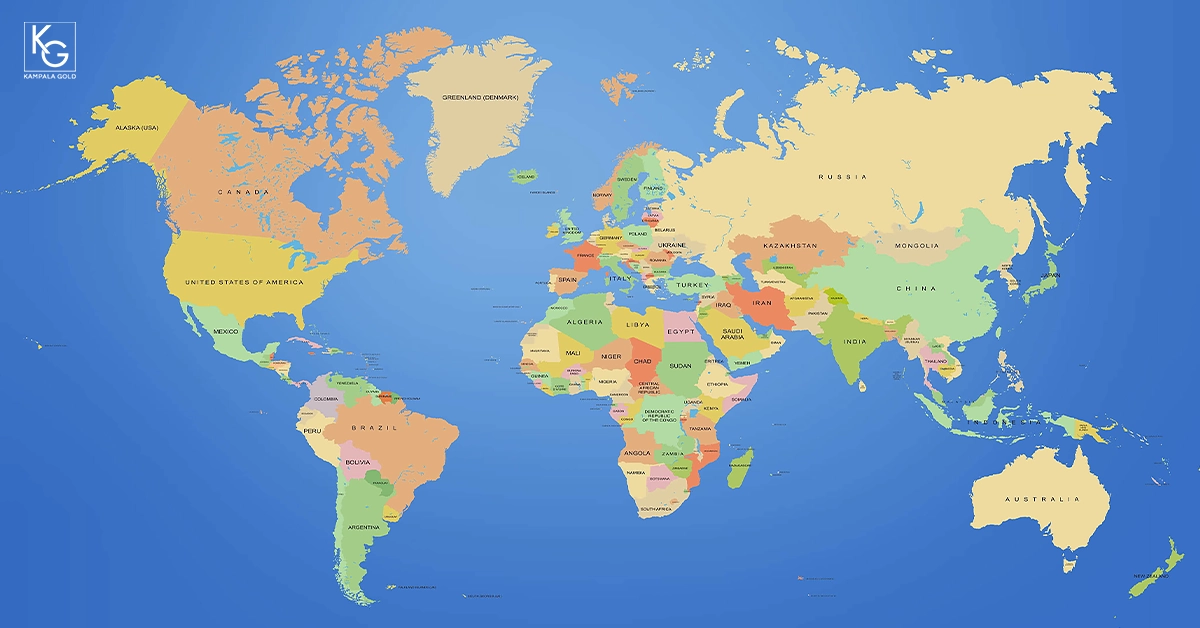
Thailand holds a distinctive position in the Asian gold market, combining strong cultural demand, active retail trade, and a well-established domestic gold ecosystem. Unlike major gold-producing countries, Thailand’s importance lies in its consumption, trading, and retail distribution of gold, particularly within Southeast Asia.
Gold plays a central role in Thai society, both as an investment and as a cultural asset. This deep-rooted demand supports a vibrant and active market, making Thailand an attractive destination for buyers seeking liquidity, accessibility, and strong local participation.
Structure of Thailand’s Gold Market
Thailand’s gold market is highly organized and operates through a combination of retail networks, financial systems, and trading mechanisms.
Key components include:
- Extensive network of gold shops across urban and regional areas
- Strong domestic demand driven by cultural and investment factors
- Integration with regional gold markets in Asia
- Active participation in global gold pricing trends
The market is particularly known for its high liquidity and accessibility.
Cultural Significance of Gold in Thailand
Gold is deeply embedded in Thai culture and is widely used for both personal and financial purposes.
Key aspects include:
- Gold jewelry as a traditional store of wealth
- Use of gold in ceremonies and cultural practices
- Preference for physical gold ownership among individuals
- Strong retail demand across all income levels
This cultural foundation ensures consistent demand and market activity.
Why Buyers Consider Thailand for Gold Transactions
Thailand offers several advantages that make it attractive to both local and international buyers.
Key reasons include:
- High liquidity due to strong domestic demand
- Transparent pricing linked to global gold markets
- Wide availability of gold products
- Ease of buying and selling within the retail market
These factors make Thailand particularly suitable for buyers seeking active trading environments and accessibility.
Types of Gold Available in Thailand
Gold available in Thailand reflects its retail-driven market structure.
Common forms include:
- Gold bars of varying sizes
- Gold jewelry, often of high purity
- Investment-grade gold products
- Locally standardized gold units commonly used in trade
Gold purity standards in Thailand are typically high, though they may differ slightly from Western standards.
Gold Purity Standards in Thailand
Thailand is known for its unique gold purity standards, which are important for buyers to understand.
Key points include:
- Gold jewelry commonly sold at around 96.5 percent purity
- Differences between Thai gold standards and international bullion standards
- High consistency in local market practices
- Acceptance within regional markets
Buyers should verify purity and ensure compatibility with international standards when exporting.
How to Buy Gold from Thailand
Purchasing gold in Thailand is straightforward, particularly within its well-developed retail sector.
The process typically includes:
- Selecting a reputable gold shop or dealer
- Choosing the type and quantity of gold
- Paying based on the current market price
- Receiving documentation or receipts
- Arranging storage or export if required
Transactions are generally quick and efficient.
Pricing Dynamics in Thailand
Gold pricing in Thailand is closely aligned with global benchmarks but reflects local demand.
Key influences include:
- International gold price movements
- Currency exchange rates
- Domestic demand and cultural factors
- Retail premiums and market competition
Thailand’s active market ensures competitive pricing and high liquidity.
Legal and Regulatory Environment
Thailand maintains a regulated environment for gold trade, particularly within its retail and financial sectors.
Key aspects include:
- Oversight of gold trading activities
- Compliance with financial regulations
- Documentation requirements for transactions
- Alignment with international trade standards
This framework provides a degree of security for buyers.
Logistics and Export Considerations
While buying gold within Thailand is simple, exporting it requires additional planning.
Key considerations include:
- Compliance with export regulations
- Documentation verifying purchase and origin
- Coordination with customs authorities
- Secure transport arrangements
Buyers should ensure all legal requirements are met when exporting gold.
Risk Considerations and Due Diligence
Thailand is considered a relatively safe gold market, but buyers should still evaluate certain factors.
Key considerations include:
- Differences in purity standards
- Verification of reputable dealers
- Currency exchange risks
- Compliance with export regulations
These risks are generally manageable with proper due diligence.
The Role of Trusted Suppliers in Thai Gold Transactions
Trusted suppliers can enhance efficiency and ensure compliance, especially for international buyers.
Kampala Gold (U) Limited has established itself as a reputable supplier in the global gold trade, assisting clients in sourcing gold from diverse markets, including Asia. Their expertise helps buyers navigate logistics, compliance, and sourcing effectively.
Strategic Role of Thailand in a Global Gold Portfolio
Thailand serves as a liquid and accessible market within a diversified global gold strategy.
Strategic benefits include:
- Access to an active retail and trading environment
- High liquidity for buying and selling
- Strong cultural demand supporting market stability
- Diversification within the Asian market
This makes Thailand particularly valuable for buyers seeking flexibility and market activity.
Frequently Asked Questions About Buying Gold from Thailand
- Is Thailand a gold-producing country?
No, Thailand is primarily a gold trading and consumption market. - What type of gold is available in Thailand?
Gold bars, jewelry, and investment products are widely available. - Is it safe to buy gold from Thailand?
Yes, the market is well-established and generally safe when dealing with reputable sellers. - Do buyers need to refine gold from Thailand?
Not usually, but buyers should verify purity standards for international use. - Can international buyers purchase gold in Thailand?
Yes, but they must comply with legal and export requirements. - Why is gold so popular in Thailand?
Due to cultural traditions and its role as a store of wealth. - Are gold prices competitive in Thailand?
Yes, prices are closely aligned with global markets and influenced by local demand. - What purity is Thai gold?
Thai gold is typically around 96.5 percent purity. - What are the main risks?
Risks include differences in purity standards and export compliance requirements. - How does Thailand compare to Singapore?
Singapore is a global trading hub, while Thailand is more retail-focused with strong local demand. - What role do suppliers play in Thai gold transactions?
Suppliers ensure compliance, manage logistics, and provide access to reliable sources. Reputable companies such as Kampala Gold (U) Limited help simplify the process. - Is Thailand suitable for long-term gold investment?
Yes, particularly for buyers seeking liquidity and accessibility. - Can gold be exported from Thailand?
Yes, with proper documentation and compliance with regulations. - Why include Thailand in a global gold strategy?
Because it offers liquidity, accessibility, and strong market demand.
Conclusion: Thailand as a Dynamic and Liquid Gold Market in Asia
Thailand represents one of the most active and culturally significant gold markets in Asia. Its strong domestic demand, accessible retail structure, and integration with global pricing make it a dynamic environment for gold transactions.
For buyers seeking liquidity, flexibility, and a vibrant market, Thailand provides a compelling option. By incorporating Thailand into a diversified global strategy and working with trusted partners such as Kampala Gold (U) Limited, buyers can take advantage of its strengths while ensuring compliance and efficiency in their gold transactions.
Leave a Reply