
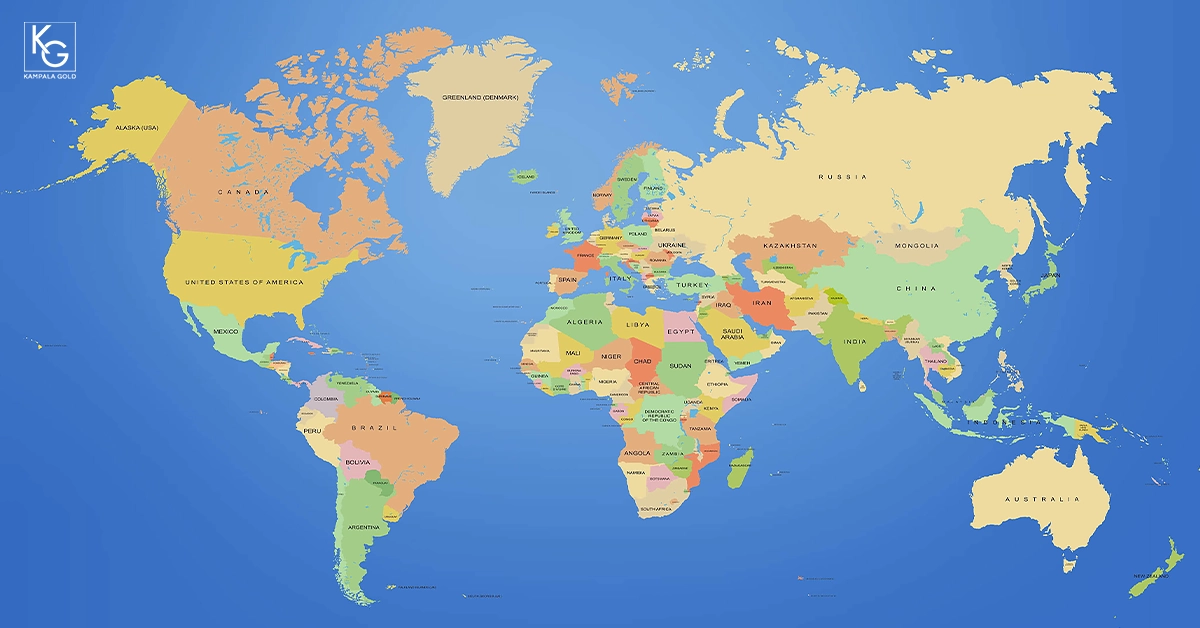
Togo is not widely known as a major gold powerhouse like Ghana or Mali, but it still plays an important and strategic role in the regional gold ecosystem.
Togo’s gold market is unique because it combines:
- Small-scale domestic gold production
- Artisanal mining activity
- A growing role as a regional transit hub for gold trade
This leads to a crucial understanding:
You can buy gold from Togo—but most of the gold associated with the country is either artisanal or part of cross-border trade networks rather than a structured domestic bullion market.
Understanding Togo’s Gold Market Structure
Togo’s gold sector is relatively small but evolving.
Key Characteristics
- Gold is produced mainly through artisanal and small-scale mining
- The mining sector is regulated by government institutions
- Gold production exists but is not large-scale or highly industrialized
- The country acts as a transit and export route for regional gold flows
For example:
- Gold production exists but is relatively modest compared to global leaders
- Gold, along with other minerals like limestone and diamonds, forms part of the mining sector
Togo as a Regional Gold Transit Hub
One of the most important aspects of Togo’s gold market is its role in regional trade.
- Togo serves as a gateway for gold from neighboring countries like Burkina Faso and Mali
- Large volumes of gold pass through Togo for export, particularly to international markets such as the UAE
Why This Matters
- Some gold sold “from Togo” may actually originate from other West African countries
- Buyers must verify the true origin of gold
- Togo’s role is often logistical rather than production-based
Where Gold Comes From in Togo
Gold in Togo originates from:
1. Artisanal and Small-Scale Mining
- Located mainly in northern regions
- Produces gold in small quantities
- Typically yields:
- Gold dust
- Small nuggets
2. Regional Supply Chains
- Gold from neighboring countries enters Togo
- Aggregated and exported through trade networks
3. Exploration and Emerging Mining Activity
- The government is encouraging mining investment
- Gold production is gradually increasing over time
Where You Can Buy Gold in Togo
Licensed Gold Dealers and Exporters (Primary Channel)
The most legitimate way to buy gold in Togo is through:
- Licensed gold traders
- Export companies
- Registered intermediaries
These entities provide:
- Verified supply
- Documentation (assay reports, certificates of origin)
- Export compliance
What They Offer
- Gold dust
- Gold dore (semi-refined gold)
- Bulk gold for export
Transactions are typically:
- Structured
- Documentation-heavy
- Oriented toward international buyers
Informal and Artisanal Markets (High Risk)
Gold can also be found in:
- Local mining areas
- Informal trading networks
However, this segment carries significant risks:
- Lack of certification
- Inconsistent purity
- Legal uncertainty
Important Warning
Buying from informal sources without verification is risky and not recommended.
Jewelry Stores (Limited Retail Option)
Gold is available in Togo through jewelry shops, mainly in cities like Lomé.
What They Offer
- 14K, 18K, and 22K gold jewelry
- Custom designs
- Retail gold products
However:
- Jewelry includes high retail and craftsmanship premiums
- It is not suitable for investment-grade gold buying
Types of Gold You Can Buy from Togo
Gold Dust (Most Common Form)
- Produced by artisanal miners
- Requires testing and refinement
Gold Dore
- Semi-refined gold
- Requires further processing
Refined Gold (After Export)
- Typically refined outside Togo
- Meets international standards (99.99%)
Jewelry
- Available locally
- Not investment-efficient
Legal and Regulatory Framework
Gold trading in Togo is regulated by government authorities.
Key Points
- Mining is overseen by the Ministry of Mines
- Licensing is required for legal gold trading
- Export must comply with national regulations
Important Insight
Compliance is essential—operating outside the legal framework exposes buyers to serious risks.
Pricing of Gold in Togo
Gold prices are influenced by:
- Global gold spot price
- Purity and weight
- Dealer margins
- Logistics and export costs
Key Insight
- Raw gold may appear cheaper
- Final cost increases after refining, transport, and compliance
The Reality: Togo Is a Hybrid Gold Market
Togo is neither:
- A major gold producer
- Nor a developed bullion market
Instead, it is:
A hybrid market combining small-scale production and regional trade flows
The Most Effective Strategy: Structured Global Approach
Local Sourcing (Professional Level)
Best for:
- Traders
- Exporters
- Institutional buyers
Approach:
- Work with licensed dealers
- Verify documentation
- Ensure compliance
Global Acquisition (Recommended for Most Buyers)
Most buyers prefer to:
- Purchase refined gold from international markets
- Avoid dealing with raw gold complexities
- Use certified suppliers
This approach provides:
- Better security
- Higher purity
- Simpler logistics
Risks When Buying Gold from Togo
Informal Market Exposure
- Unlicensed sellers
- No documentation
Verification Challenges
- Purity testing required
- Risk of misrepresentation
Regulatory Compliance
- Licensing requirements
- Export controls
Origin Confusion
- Gold may originate from neighboring countries
- Documentation must be verified
Togo Compared to Other West African Gold Markets
- Ghana: Leading gold producer
- Mali: Major mining industry
- Burkina Faso: Strong artisanal sector
- Togo: Transit and small-scale production hub
Togo is best understood as:
A regional gold gateway rather than a primary production center
Real Buyer Scenarios
Scenario 1: Local Jewelry Buyer
- Purchases gold jewelry in Lomé
- Pays retail markup
Outcome: Convenient but not investment-efficient
Scenario 2: Professional Buyer
- Works with licensed exporters
- Purchases gold dust or dore
- Exports for refining
Outcome: Structured and scalable
Scenario 3: International Investor
- Sources refined gold globally
- Avoids raw gold complexities
Outcome: Efficient and secure
Frequently Asked Questions About Buying Gold from Togo
- Is Togo a gold-producing country?
Yes, but mainly through small-scale mining. - Can I buy gold in Togo?
Yes, through licensed dealers and traders. - Is Togo a major gold exporter?
It is more of a transit hub than a primary producer. - Can foreigners buy gold in Togo?
Yes, with proper legal compliance. - Is gold cheaper in Togo?
Raw gold may be cheaper, but total costs vary. - What is the safest way to buy gold?
Through licensed dealers or international suppliers. - What are the main risks?
Informal markets, verification issues, and origin uncertainty. - Can gold be exported from Togo?
Yes, with permits and documentation. - Is Togo good for gold investment?
Only through structured and professional channels. - Should beginners buy gold in Togo?
Not directly; better through global markets.
Conclusion: Buying Gold from Togo Requires Careful Strategy
Togo occupies a unique position in the African gold ecosystem, acting as both a small producer and a regional trading hub.
The key takeaway is:
Gold from Togo is accessible—but requires careful verification, proper documentation, and structured transactions.
For most buyers:
- Local sourcing is best suited for professionals
- Global sourcing is safer and more efficient
Togo is not just a place to buy gold—it is a strategic node in West Africa’s gold trade network, where success depends on due diligence, compliance, and trusted partnerships.
Leave a Reply