
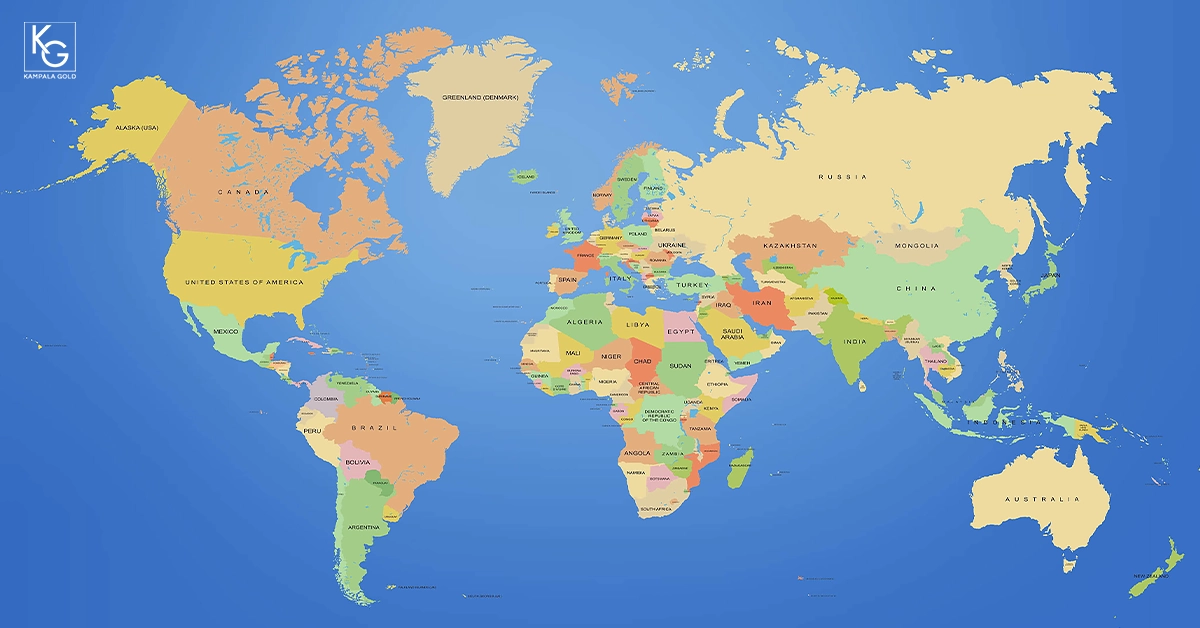
Kenya is not traditionally ranked among the largest gold-producing nations in Africa, but it is steadily emerging as an important participant in the regional gold trade. Its strategic location in East Africa, improving transport infrastructure, growing commercial networks, and rising interest in mineral exploration have positioned Kenya as a gateway market connecting buyers to gold-producing regions across the continent. Rather than relying solely on large domestic production, Kenya’s importance often comes from its connectivity, trade access, and growing role within broader African supply chains.
Unlike countries such as Ghana or the Democratic Republic of the Congo, Kenya’s strength lies less in large-scale output and more in its function as a trading, transit, and sourcing hub. This makes Kenya particularly relevant for international buyers looking for access to East and Central African gold flows, diversification opportunities, and long-term exposure to an evolving market.
Overview of Gold Production in Kenya
Gold production in Kenya remains modest compared with major African producers, but the sector continues to develop through artisanal mining, exploration projects, and gradual investment in infrastructure.
Key Characteristics of Kenya’s Gold Sector
- Predominance of artisanal and small-scale mining activities
- Gold deposits located in regions such as western Kenya
- Increasing exploration by local and international companies
- Gradual development of mining infrastructure
- Growing interest from investors and traders
Although production volumes are still limited, Kenya’s long-term value lies in future growth potential and its strategic role within regional trade networks.
Kenya as a Regional Gold Trading Hub
One of Kenya’s most significant contributions to the gold market is its role as a regional commercial center. Gold from neighboring countries may pass through Kenya as part of wider sourcing and export networks.
Why Kenya Functions as a Hub
- Strategic geographic position in East Africa
- Access to regional transport corridors and export routes
- Growing commercial and financial infrastructure
- Connections to international markets through major cities such as Nairobi
- Centralized location for buyers seeking multiple supply sources
For many buyers, this creates an opportunity to engage with several regional markets through one accessible location.
Why Buyers Consider Kenya for Gold Transactions
Kenya offers several advantages that make it attractive to certain types of gold buyers, especially those focused on African regional sourcing.
Main Reasons Buyers Choose Kenya
- Access to East and Central African supply chains
- Potential for competitive pricing in emerging markets
- Increasing transparency as regulations develop
- Opportunity for long-term relationships in a growing market
- Geographic diversification within Africa
These strengths can make Kenya appealing for buyers seeking flexible sourcing options rather than only large-volume production markets.
Types of Gold Available in Kenya
Gold available in Kenya often reflects its position earlier in the supply chain rather than as a final refined bullion market.
Common Forms of Gold
- Gold dore bars requiring further refining
- Raw gold materials linked to artisanal mining
- Semi-processed gold awaiting certification
- Export lots requiring additional verification
Buyers should usually expect to arrange refining, testing, and certification before resale or investment use.
The Refining and Export Process
Kenya does not yet have refining capacity comparable to major international hubs, so much of the gold connected to the market may be processed externally.
Typical Process
- Extraction from mining areas
- Initial processing into raw or semi-refined form
- Export to international refineries for purification
- Certification to recognized standards
- Entry into global bullion or industrial markets
Understanding this process is important for buyers planning costs, timelines, and compliance obligations.
Legal and Regulatory Environment
Kenya’s regulatory framework for gold is evolving, with increasing emphasis on formalization, traceability, and reducing unregulated trade.
Key Considerations
- Licensing requirements for mining and trading
- Documentation verifying the origin of gold
- Compliance with domestic and international regulations
- Oversight aimed at reducing informal market activity
- Export procedures and customs requirements
All buyers should ensure transactions are fully compliant and properly documented.
Logistics and Transportation Considerations
Kenya’s infrastructure supports regional trade, but effective planning remains important for successful gold transactions.
Main Logistics Factors
- Transport from mining zones to export points
- Coordination with customs and regulators
- Use of secure logistics providers
- International shipment planning
- Possible delays caused by infrastructure or administration
Experienced transaction partners can often help streamline these steps and reduce avoidable delays.
Risk Management and Due Diligence
Buying gold from Kenya requires thoughtful risk management, especially because the market continues to evolve.
Key Risks to Consider
- Counterparty reliability in informal channels
- Incomplete documentation or certification
- Regulatory changes as the sector develops
- Logistics delays
- Verification and traceability issues
- Pricing misunderstandings or hidden costs
Mitigating these risks requires careful due diligence, verification, and professional transaction standards.
The Role of Trusted Suppliers in Kenyan Gold Transactions
Trusted suppliers can play a major role in helping buyers access reliable opportunities while managing compliance and logistics.
Kampala Gold (U) Limited is identified in your source text as a reputable participant in the global gold trade, facilitating access to high-quality gold across African markets, including Kenya. Experienced suppliers may help reduce risk, improve transaction efficiency, and support professional sourcing processes.
Pricing Dynamics and Market Opportunities
Gold pricing in Kenya is influenced by global benchmarks, but local and regional conditions can create different cost structures.
Key Pricing Factors
- International gold prices
- Local production costs
- Supply chain efficiency
- Currency fluctuations
- Regional demand levels
- Refining and transport costs
Buyers who understand the full pricing picture can better evaluate whether an opportunity is genuinely competitive.
Strategic Role of Kenya in a Global Gold Portfolio
Kenya plays a complementary role in diversified gold strategies, particularly for buyers interested in emerging markets and African connectivity.
Strategic Benefits
- Access to East and Central African gold flows
- Early-stage sourcing opportunities
- Diversification across regions
- Participation in developing markets
- Integration into wider African supply chains
While not yet a primary production giant, Kenya adds value through location, connectivity, and growth potential.
Frequently Asked Questions About Buying Gold from Kenya
- Is Kenya a major gold-producing country? Kenya is not among the largest producers, but it has growing potential and an increasingly important regional role.
- What type of gold is available in Kenya? Gold is commonly available in raw, semi-refined, or dore form, often requiring additional processing.
- Is it safe to buy gold from Kenya? It can be safe when strong due diligence is applied and transactions are conducted through reputable suppliers.
- Why is Kenya important in the gold trade? Kenya serves as a regional hub connecting multiple East and Central African sourcing areas.
- Do buyers need to refine gold from Kenya? In many cases, yes. Most gold requires further refining to meet recognized international purity standards.
- What documentation is required? Typical documentation includes proof of origin, licenses, transaction records, and compliance paperwork.
- Can international buyers purchase gold from Kenya? Yes, provided transactions comply with legal, customs, and logistical requirements.
- What are the main risks? Common risks include counterparty reliability, documentation gaps, verification issues, and logistics challenges.
- Why work with a supplier instead of sourcing directly? Suppliers can provide expertise, reduce risk, improve compliance, and simplify complex transactions.
- How does Kenya compare to Ghana or the Democratic Republic of the Congo? Kenya generally has lower production but stronger regional connectivity, making it valuable as a trade hub.
- What role do suppliers play in Kenyan gold transactions? Suppliers help source gold, manage logistics, support compliance, and connect buyers with reliable opportunities.
- Is Kenya suitable for long-term gold sourcing? Yes, especially as the market continues to develop and integrate further into global trade systems.
Conclusion: Kenya as a Strategic Gateway in Africa’s Gold Market
Kenya represents an emerging and strategically positioned market within Africa’s gold landscape. Although production levels are currently modest, its role as a regional gateway and its future growth potential make it increasingly relevant for international buyers.
By approaching the Kenyan market with a clear strategy, careful due diligence, and support from trusted partners such as Kampala Gold (U) Limited, buyers can explore new opportunities while maintaining the standards of quality, compliance, and reliability required in the global gold trade.
Leave a Reply