
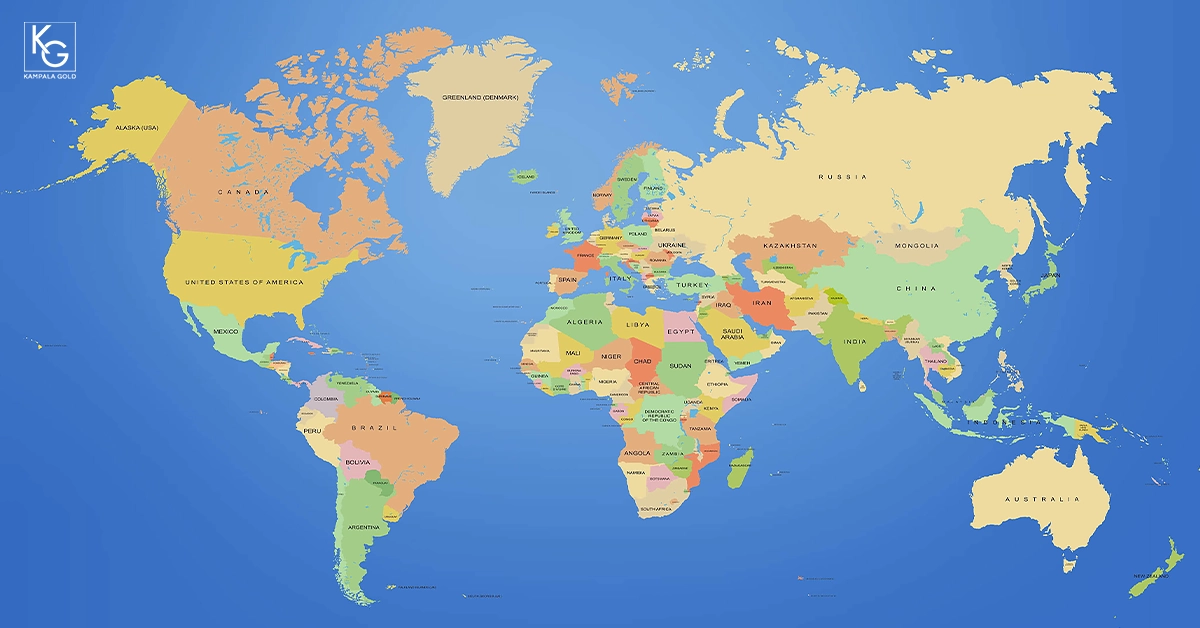
Zambia is a gold-producing country in Southern Africa, with increasing activity in both large-scale mining and artisanal gold production. In recent years, the government has taken visible steps to formalize the sector, improve oversight, and strengthen gold’s contribution to the national economy. As a result, Zambia is gaining more attention from traders, investors, and international buyers who are looking beyond traditional gold markets.
At the same time, Zambia’s gold market functions very differently from a typical retail bullion environment. The country is a genuine source of gold production, but access to that gold is regulated, structured, and often centered around licensed dealers, official purchasing systems, and government-linked institutions rather than open walk-in retail markets. Understanding this distinction is essential for anyone considering buying gold in Zambia.
Understanding Zambia’s Gold Market Structure
Zambia’s gold ecosystem is built around formalization, regulation, and export-oriented trade. The market is not a free-for-all environment where anyone can casually buy raw gold without process or documentation.
Core Features of the Market
- Government involvement in gold purchasing
- Formalization of artisanal and small-scale mining
- Export-focused trade systems
- Licensed dealer participation
- Increasing oversight and structured transactions
A notable institution mentioned in your source material is the Zambia Gold Company, which plays a role in the value chain by purchasing gold from miners and supporting sector formalization. The Bank of Zambia is also referenced as purchasing gold to strengthen national reserves, showing further state involvement in the market.
Key Insight
- Gold is produced locally
- Distribution is controlled and regulated
- The market is structured rather than informal retail-based
Where You Can Buy Gold in Zambia
Licensed Gold Dealers and Trading Companies
The most realistic and secure way to buy gold in Zambia is through licensed dealers and trading companies, especially in major commercial centers such as Lusaka.
Examples referenced in your source text include:
- Mamba Gold Lab
- Zalato Trading Zambia
These businesses may provide:
- Secure transaction processes
- Access to verified supply chains
- Structured documentation procedures
- Professional valuation systems
Products Often Available
- Gold bars
- Gold dore
- Raw gold for processing
- Export-ready gold for international buyers
For many serious buyers, licensed channels are the preferred route because they reduce risk and improve compliance.
Gold Exchange and Specialized Buyers
In Lusaka and other commercial areas, specialized buyers and exchange services may also operate.
Typical Features
- Buying and selling based on global market prices
- Professional testing methods such as XRF analysis
- Transparent valuation systems
- Small-to-medium transaction capability
These services may be useful for individuals, resellers, and businesses seeking structured market pricing rather than informal negotiation.
Direct Supply from Mining and Export Channels
Much of Zambia’s gold originates from:
- Artisanal and small-scale miners
- Industrial mining operations
However, buying directly from miners can be:
- Highly regulated
- Risky without licensing
- Difficult for inexperienced buyers
- Complex from a documentation standpoint
For most buyers, working through verified intermediaries or licensed exporters is the safer and more practical approach.
Jewelry Stores in Zambia
Gold is also available through jewelry retailers, especially in urban areas.
Common Offerings
- 14K gold jewelry
- 18K gold jewelry
- 22K gold jewelry
- Custom designs
- Small retail purchases
Jewelry can be convenient for personal use or gifting, but it often includes significant markups for design, labor, and retail overhead, making it less efficient for investment-focused buyers.
Types of Gold You Can Buy in Zambia
Gold Dore
One of the main commercial forms associated with mining output. It is semi-refined and usually requires further processing.
Gold Bars
Refined gold products may be available through dealers and export channels, often more suitable for investment use.
Gold Dust
Commonly associated with artisanal mining. This form requires careful testing, weighing, and processing.
Jewelry
Widely available in retail form, but generally less efficient as a pure investment vehicle.
Legal Requirements and Regulations
Zambia has strict laws governing the purchase, sale, and export of gold.
Key Legal Points
- Only authorized persons may legally trade in gold
- Transactions must comply with licensing rules
- Export requires documentation and approvals
- Proof of origin may be required
- Non-compliance can create serious legal exposure
Operating outside licensed channels can lead to financial loss, delays, or regulatory penalties.
Pricing of Gold in Zambia
Gold prices in Zambia are influenced by both international benchmarks and local market factors.
Main Pricing Drivers
- Global gold spot price
- Zambian kwacha exchange rate
- Purity level
- Total weight
- Dealer margins
- Transport and security costs
Prices per gram can change daily based on movements in international markets and local currency conditions.
The Reality: Zambia Is a Production Hub, Not a Retail Bullion Market
Although Zambia is a real gold-producing country, it is not primarily known for a large consumer bullion market.
What This Means
- Retail bullion infrastructure is limited
- Much of the trade occurs through formal supply chains
- Gold is often export-oriented
- Structured transactions are more common than casual retail purchases
For many buyers, Zambia is better viewed as a sourcing market than a simple walk-in gold market.
The Most Effective Strategy for Buyers
Local Buying (Best for Professional Transactions)
Often suitable for:
- Bulk buyers
- Traders
- Institutional investors
- Experienced sourcing professionals
Best practices include:
- Work with licensed dealers
- Verify all documentation
- Confirm purity and origin
- Follow compliance procedures carefully
Global Sourcing (Recommended for Many Buyers)
Many buyers choose to:
- Source through international suppliers
- Use verified export channels
- Receive refined gold outside Zambia
- Simplify logistics and regulatory steps
This approach may offer stronger transparency, easier execution, and clearer product standards.
Risks When Buying Gold in Zambia
Informal Market Risks
- Unlicensed sellers
- Missing paperwork
- Fraud exposure
Verification Risks
- Purity disputes
- Weight discrepancies
- Misrepresentation of product quality
Regulatory Risks
- Licensing violations
- Export restrictions
- Administrative delays
Logistics Risks
- Transport security
- Insurance costs
- Shipment coordination challenges
Zambia Compared to Other African Gold Markets
Ghana
Major exporter with established trade channels.
South Africa
Historic leader with advanced mining and refining capacity.
Tanzania
Growing gold sector with increasing regional relevance.
Zambia
Emerging producer with regulated and structured trade access.
Zambia is best understood as a developing production hub with controlled access and export-oriented systems.
Real Buyer Scenarios
Scenario 1: Local Trader in Lusaka
Works with a licensed dealer and buys gold for resale or export.
Outcome: Structured opportunity, but requires full compliance.
Scenario 2: Jewelry Buyer
Purchases gold items from local shops.
Outcome: Convenient, but not the most investment-efficient route.
Scenario 3: International Investor
Sources gold through verified Zambian suppliers and manages export legally.
Outcome: Scalable and compliant when properly structured.
Frequently Asked Questions About Buying Gold in Zambia
- Can I buy gold in Zambia? Yes. Gold is mainly purchased through licensed dealers, trading companies, and formal supply channels.
- Is Zambia a gold-producing country? Yes. Zambia has growing gold production from both large-scale and artisanal mining activity.
- Can I buy gold directly from miners? For most buyers, direct purchases are not recommended and should only occur through authorized legal channels.
- Is gold regulated in Zambia? Yes. Gold trading is subject to strict legal and licensing requirements.
- Are gold bars available locally? Yes, but availability is usually tied to dealers, commercial networks, and export channels.
- Is Zambia good for gold investment? It can be, especially through structured and compliant transactions with verified partners.
- Can foreigners buy gold in Zambia? Yes, provided they meet all documentation, licensing, and legal requirements.
- What are the main risks? Common risks include informal sellers, fraud, documentation issues, and regulatory non-compliance.
- Can gold be exported from Zambia? Yes. Export is possible with proper approvals, licensing, and documentation.
- What is the safest way to buy gold? Through licensed dealers, verified supply chains, and fully documented transactions.
Conclusion: Buying Gold in Zambia Requires Structure and Expertise
Zambia offers real opportunities as a gold-producing nation, but it is not a simple retail market for casual buyers. The country’s gold sector is built around regulated access, licensed transactions, and structured supply chains.
The key takeaway is clear: gold in Zambia is accessible, but success depends on working with verified dealers, ensuring proper documentation, understanding the legal framework, and managing logistics carefully.
Rather than seeing Zambia only as a place to buy gold, it is more accurate to view it as a strategic sourcing environment where knowledge, compliance, and trusted partnerships play the most important role.
Leave a Reply